Featured
Table of Contents
When organizations focus greatly on volume and sales speed without equivalent attention to the customer experience after the sale, it creates a disconnect. Clients seem like a number instead of a concern. Transformation starts much earlier than a lot of people understand: It begins in marketing It continues through the sales process And it's enhanced through how clients are invited, supported, and directed For higher-ticket offers, particularly, some level of personal connection throughout the sales procedure is ending up being progressively important again.
Group information sessions, behind-the-scenes walkthroughs, and chances to ask questions live can provide clarity and confidence without frustrating your capacity. As we move on, businesses that create their offers and delivery around real change will stick out in a crowded market. Another pattern that will continue to get traction is the need for properly designed gateway offers.
Not only in you, but in themselves and their capability to follow through and get outcomes. A gateway offer allows them to do exactly that.
Gateway provides a more stable, trust-based course into deeper work, and they support much healthier long-term development. The age of overcomplicated funnels is continuing to wind down. Purchasers are tired of long, convoluted sequences that feel inauthentic or manipulative. Simpler circulations are becoming more efficient, however with one essential shift: personalization and segmentation matter more than ever.
It has to do with significance. This is where AI can be extremely powerful when utilized strategically. When you can customize messaging, content, and next steps based upon someone's goals, choices, and phase of awareness, the experience feels supportive instead of frustrating. Services that invest the time to design tailored journeys will see higher engagement and stronger conversion, even with simpler total systems.
How Automated Marketing Workflows Boost ROI
The companies and leaders who grow will be the ones who understand how all the pieces mesh. They can evaluate context, discern what matters most, and make choices aligned with long-term goals rather than short-term reactions. Execution alone is becoming much easier to change. Strategic thinking is not. This shift impacts group roles, pricing, and how proficiency is placed in the market.
Organization owners and leaders face pressure as brand-new rivals change markets nearly overnight. This post provides seven proven, actionable development techniques for service that drive real outcomes in today's unforeseeable environment.
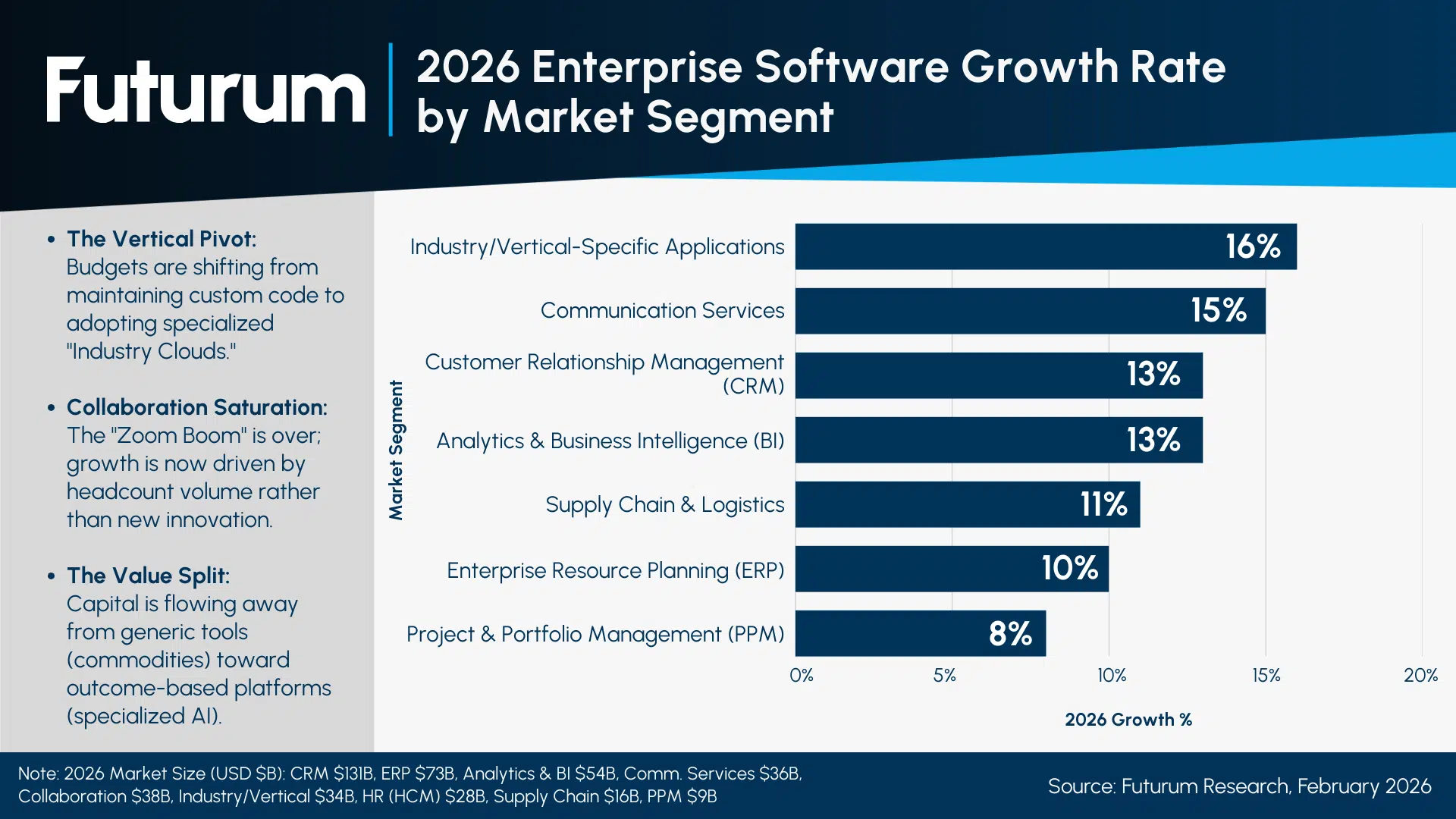
Organization leaders should adapt rapidly or risk being left. Comprehending the forces driving change is the primary step towards sustainable success. Growth methods for service in 2026 are shaped by artificial intelligence adoption, standardized remote work, and moving supply chains. Companies now reimagine procedures, client engagement, and supply chain management through AI-powered systems.
Expanding B2B Platforms for 2026
Digital-first experiences are necessary, and clients demand seamless customization., dexterity and versatility are now necessary for organizations pursuing sustainable development.
Rising costs and market fragmentation include complexity, especially in medical and home services sectors. These industries struggle with functional inefficiencies and stalled growth, frequently due to outdated processes or lack of digital integration.
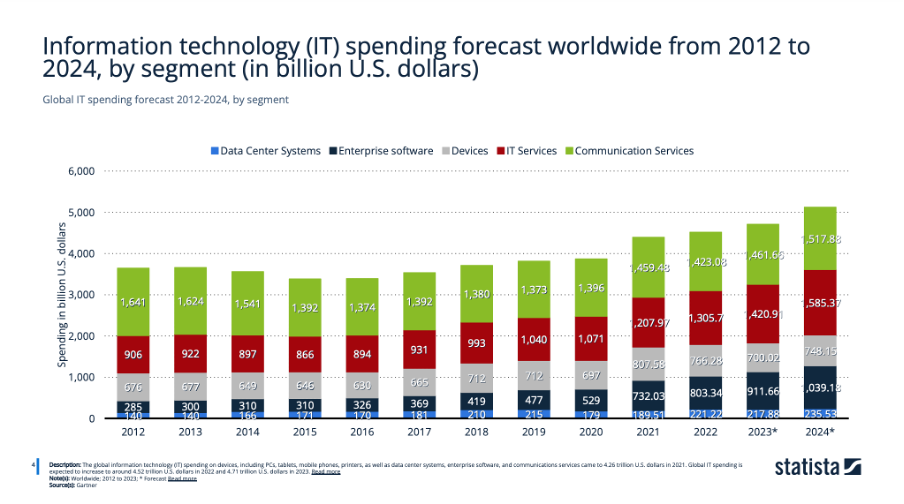
Conquering these difficulties needs a disciplined, evidence-based technique. No single option guarantees success. Companies depending on simply one strategy typically fail, while those accepting numerous approaches outperform peers. Research shows that integrating market expansion with functional efficiency yields remarkable outcomes. Services that diversified into new markets while simplifying internal operations consistently outpaced rivals.
Scaling Business with Smart Systems
Effective organizations track development and adjust techniques based upon real-world results instead of presumptions. Execution is the real differentiator. Many companies establish enthusiastic strategies, however only those focusing on real-world execution attain sustainable development. The player-coach model, promoted by Accountability Now, exhibits hands-on leadership and responsibility. Rather than depending on unclear recommendations, companies need actionable strategies and clear ownership.

By moving from planning to action, leaders ensure their efforts translate into quantifiable results. Adjusting to the fast pace of 2026 needs innovation, execution, and strategic vision. The most successful organizations release methods that are actionable, measurable, and proven in real-world situations. In 2026, market penetration means deepening relationships with existing customers.
Leading organizations take advantage of information to develop innovative client division, allowing tailored deals and targeted commitment programs. Starbucks continues to win by incorporating rewards with mobile ordering, developing seamless and individualized experiences. Business utilizing data-driven customization report over 20 percent higher repeat sales, demonstrating the power of this technique. Medical practices see outcomes by implementing automated client follow-ups.
Essential Sales Support Tactics to Global Teams
Synthetic intelligence now automates much of this outreach, guaranteeing prompt, relevant interaction with minimal manual effort. Typical mistakes consist of over-automation, which can make interactions feel impersonal, and ignoring consumer feedback. To avoid these, regularly review consumer information and execute feedback loops. Introduce or improve loyalty programs with tiered rewardsUse AI for customized interaction based on consumer behaviorSegment customers for customized deals matching their purchase historyEncourage recommendations with rewards that reward both partiesFor more actionable concepts, examine these tested techniques to accelerate development and see how real businesses construct much deeper consumer loyalty.
Companies that regularly develop their items and services stay ahead of shifting client requirements and rivals. Gathering continuous client feedback, rapid prototyping and minimum viable product (MVP) launches, and frequently tracking market patterns through data analysis.
With 60 percent of 2026 development projected from new offerings, the necessary is clear. Avoid development for its own sake; focus on worth development and genuine consumer impact.
This vibrant method spreads risk and opens brand-new income streams. Netflix's global rollout is a masterclass in adapting material for varied audiences. Coca-Cola prospers by localizing items to satisfy regional tastes and cultural preferences. Identifying high-potential markets begins with information. Search for underserved sectors or areas with unmet needs and growing acquiring power.

Latest Posts
Comparing Headless and Monolithic Content Architectures
Preparing Any Digital Platform for Autonomous Search
How Advanced AI Boosts B2B Growth